

Table of Contents
- Natural Ways to Fight Fatigue: A 7-Step Daily Framework
- Step 1: Align Your Circadian Rhythm With Light Exposure
- Step 2: Stabilize Blood Sugar With Complex Carbohydrates
- Step 3: Master Hydration and Electrolyte Balance
- Step 4: How to Avoid Jet Lag Naturally on Travel Days
- Step 5: Circadian Rhythm Adjustment Tips for Sleep Hygiene
- Step 6: Manage Caffeine, Stress, and Cortisol Levels
- Step 7: Move Your Body and Address Digital Fatigue
- Frequently Asked Questions
Last Updated: October 4, 2026
Natural Ways to Fight Fatigue: A 7-Step Daily Framework
Most people treat tiredness as a sleep problem. That's the first mistake. Natural ways to fight fatigue start with a simple truth: your energy is built across the whole day, not just at night. The same seven habits that help travelers land in a new time zone and function fast also help anyone running on empty at home.
Below, we'll show you exactly how to use light, food, water, movement, and rest to rebuild your energy from the ground up. Each step takes minutes, not hours.
Why Fatigue Isn't Just About Sleep
Fatigue is a whole-body signal, not a single switch. Poor sleep is one cause, but so are blood sugar swings, dehydration, stress, and too much screen time. Many people find that fixing one habit barely moves the needle, while stacking several small changes does.
A useful way to think about it: fatigue is the sum of small daily drains. Fix the drains, and your energy levels rise without extra caffeine.
What You'll Need to Get Started
You don't need much to begin. Most of these tools are already in your home or hotel room:
- A window with morning light, or a short walk outside
- A water bottle you can refill through the day
- Simple, nutrient-dense foods like oats, beans, and vegetables
- A phone alarm for caffeine cut-off and bedtime
- A dark, cool, quiet place to sleep
Pick two steps to start. Add the rest over a week or two.
Step 1: Align Your Circadian Rhythm With Light Exposure
Your circadian rhythm is your body's internal 24-hour clock, and light is the main signal that sets it. Get bright light early and dim light at night, and your clock stays on track. Get it backward, and you feel foggy all day.
Try this:
- Get outside within an hour of waking for 10-15 minutes
- Keep lights bright in the morning and early afternoon
- Dim lamps and screens two hours before bed
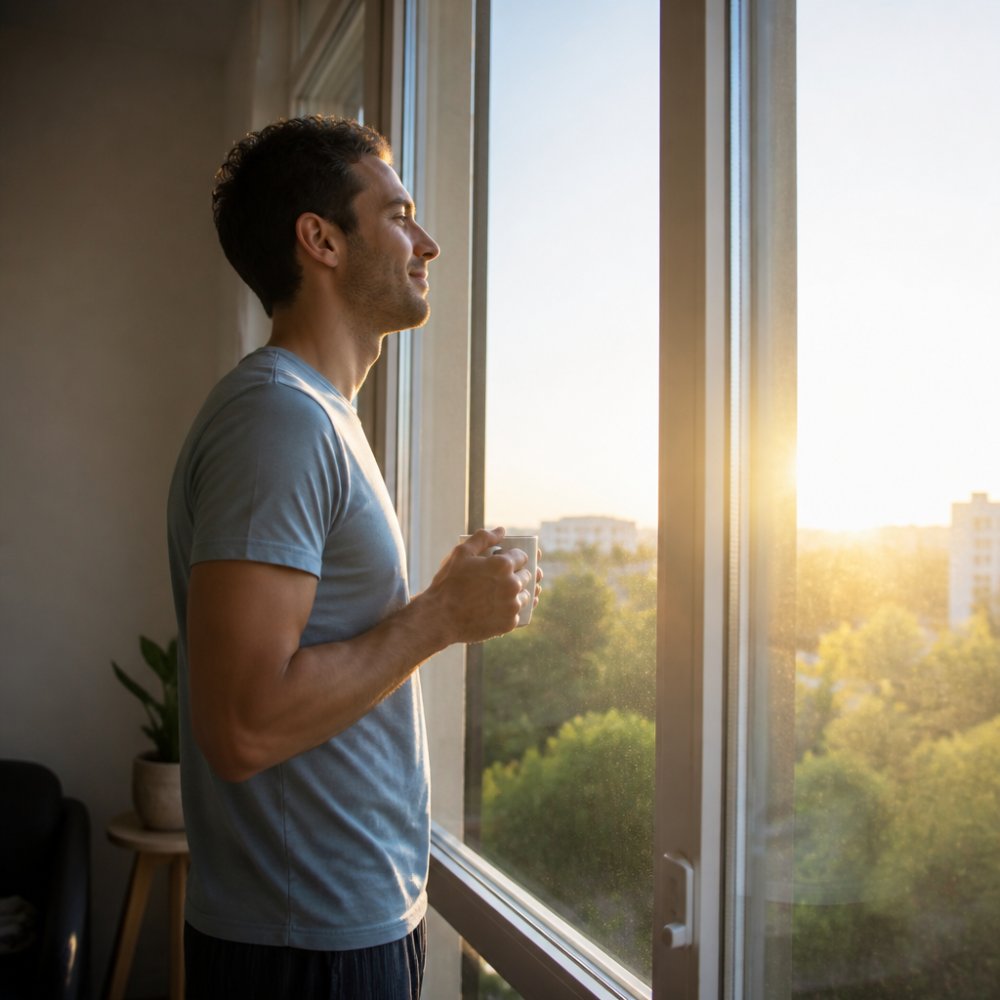
Morning Light and Evening Dimming
Morning light tells your brain it's daytime, which raises alertness and sets your sleep timer for that night. Evening dimming does the opposite. It signals that rest is coming.
The CDC guidance on sleep and light exposure notes that consistent daily routines support better sleep. Small, repeated signals matter more than one big fix.
Step 2: Stabilize Blood Sugar With Complex Carbohydrates
Blood sugar spikes and crashes are a hidden cause of afternoon fatigue. When you eat refined carbohydrates, white bread, sugary drinks, pastries, your blood glucose rises fast, your body releases a surge of insulin, and glucose drops just as quickly.
The glycemic index (GI) is a useful tool here. It ranks foods by how quickly they raise blood sugar. Low-GI foods (55 or below) produce a gentle rise; high-GI foods (70 or above) produce the spike-and-crash cycle.
| Lower GI (steady energy) | Higher GI (quick spike) |
|---|---|
| Oats, barley, quinoa | White rice, instant oatmeal |
| Beans, lentils, chickpeas | Sugary cereal, white bread |
| Apples, berries, oranges | Candy, soda, fruit juice |
| Sweet potatoes, corn | French fries, potato chips |
Build meals like this:
- Oats, brown rice, or whole-grain bread as your base
- Add protein: eggs, beans, yogurt, or chicken
- Add color: leafy greens, peppers, or berries
- Add fat: olive oil, avocado, or nuts to slow digestion further
Build Meals Around Nutrient-Dense Foods
Nutrient-dense foods give you more vitamins and minerals per bite. They also help you avoid the crash that follows refined sugars and processed foods. The goal is not perfection, it's a pattern where most meals combine fiber, protein, and fat so glucose enters the bloodstream gradually.
- Swap sugary cereal for oatmeal with nuts and berries
- Choose fruit over candy for a quick snack
- Keep nuts or seeds on hand for travel days
- Eat meals at consistent times; skipping meals sets up the same crash
- Don't eat a large, heavy meal right before a meeting or workout, blood is diverted to digestion and focus drops
The Crash Cycle, Explained
A common pattern looks like this: a high-carb breakfast (juice, cereal, pastry) sends glucose up fast. Insulin clears it, glucose falls below baseline, and by mid-morning you feel tired and hungry again. You reach for coffee and a snack, which repeats the cycle. Breaking it means starting the day with protein and fiber, not sugar. Most practitioners find that a protein-forward breakfast, eggs, Greek yogurt, or beans, holds energy steadier for three to four hours than a carb-only one.
Caffeine and Blood Sugar
Caffeine can mask a crash without fixing it. It also raises cortisol and can worsen glucose control in some people when consumed on an empty stomach. If you drink coffee, have it after a protein-containing meal rather than as a breakfast replacement. See Step 6 for caffeine timing.
Step 3: Master Hydration and Electrolyte Balance
Even mild dehydration drains your focus and energy. Hydration isn't just about water; it's about electrolyte balance too. Sodium, potassium, and magnesium help your cells hold and use water.
A simple routine:
- Start the day with a full glass of water
- Drink steadily, not all at once
- Add electrolytes on hot days or long flights
- Cut back on alcohol, which pulls water out of your body
If your urine is pale yellow, you're likely on track. Darker means drink more.
Step 4: How to Avoid Jet Lag Naturally on Travel Days
To avoid jet lag naturally, shift your light, meals, and movement to match your destination's clock before and during your trip. This resets your body faster than waiting to adjust on arrival.
A few days before you fly:
- Move bedtime 30-60 minutes toward your new time zone
- Eat meals closer to your destination's schedule
- Get morning light at your arrival time zone
Timing Meals, Light, and Movement Around Your Flight
On the plane, drink water and skip heavy meals. When you land, get outside in daylight if it's daytime at your destination. If it's night there, keep lights low and try to sleep.
FAA tips for staying healthy during air travel recommends moving around the cabin and staying hydrated on long flights.
Step 5: Circadian Rhythm Adjustment Tips for Sleep Hygiene
Good sleep hygiene means setting up the conditions your body needs to rest. These circadian rhythm adjustment tips focus on the hours before bed, when small choices decide how well you sleep.
- Keep a consistent bedtime, even on weekends
- Stop screens 60 minutes before bed
- Avoid heavy meals and alcohol late at night
- Keep the room cool, dark, and quiet
Optimize Your Sleep Environment
Your sleep environment does much of the work for you. A dark, cool room helps you fall asleep faster and stay asleep longer.
- Use blackout curtains or an eye mask
- Set the thermostat to a cooler temperature
- Block noise with earplugs or a fan
- Keep your phone out of reach
Sleep latency, the time it takes to fall asleep, drops when your room supports rest. A calm space also lowers cortisol levels, the stress hormone that keeps you wired.
Step 6: Manage Caffeine, Stress, and Cortisol Levels
Caffeine can help in the short term, but timing matters. Too much, too late, and it wrecks the sleep you need to fight fatigue tomorrow.
- Have caffeine before noon, not after
- Cap it at one or two cups
- Switch to water or herbal tea in the afternoon
Stress management matters just as much. Deep breathing and mindfulness calm your nervous system and lower cortisol levels.
Caffeine Timing and Deep Breathing
Try a simple breathing pattern when stress builds:
- Breathe in through your nose for four counts
- Hold for four counts
- Breathe out for six counts
- Repeat five times
This slows your heart rate and eases tension in minutes. Practice it before meetings, flights, or bedtime.
Step 7: Move Your Body and Address Digital Fatigue
Physical activity boosts energy levels and supports metabolic health. You don't need a gym. Short bursts of movement throughout the day work well.
- Take a 10-minute walk after meals
- Stand and stretch every hour
- Take the stairs when you can
Breaking Up a Sedentary Lifestyle
A sedentary lifestyle slows circulation and leaves you feeling drained. Breaking up long sitting sessions helps more than one big workout.
Digital fatigue adds to the problem. Long screen hours cause cognitive exhaustion, which feels a lot like physical tiredness.
- Follow the 20-20-20 rule: every 20 minutes, look 20 feet away for 20 seconds
- Check your posture and sit up straight
- Take screen-free breaks to reset your focus
When to See a Doctor
If you've applied these steps for a few weeks and still feel exhausted, it's worth a medical screening. Persistent fatigue can point to thyroid issues, anemia, sleep apnea, or other conditions. A simple blood panel can rule out common causes.
Fatigue doesn't have to cost you your day, whether you're at home or landing in a new time zone. Reset Jet Lag makes the travel side easier with a time-released transdermal patch system, a day-and-night protocol, and plant-based ingredients and vitamins, all non-habit forming with no pills or caffeine.
Frequently Asked Questions
What natural drinks help get rid of fatigue?
Water with electrolytes is the most reliable option, especially if you've been sweating or flying. Green tea provides a small caffeine dose plus L-theanine, which smooths the energy curve. Coconut water replaces potassium and sodium lost through sweat. Avoid drinks with refined sugars, which spike blood glucose and trigger a crash within an hour or two. If you want something caffeine-free, try cold water with a pinch of sea salt and a squeeze of lemon, particularly in the morning when hydration levels are lowest.
How can I fight fatigue caused by circadian rhythm disruption?
Get bright light within 30 minutes of waking, ideally outdoors. Dim lights and avoid screens two hours before bed. Eat your largest meals earlier in the day and keep evening meals light. Shift your sleep schedule by 15 to 30 minutes per day rather than all at once. If you're traveling, set your watch to the destination time before you board and start adjusting meals and light exposure to match that schedule. These circadian rhythm adjustment tips help your body produce melatonin at the right time.
Why do I feel exhausted even after sleeping?
Sleep duration isn't the same as restorative sleep. Alcohol, late caffeine, a warm bedroom, and screen light before bed all reduce slow-wave sleep even when you're unconscious for eight hours. Blood sugar swings overnight can also wake you without your awareness. Check your sleep environment first: keep the room cool, dark, and quiet. If you still wake unrefreshed after two weeks of consistent sleep hygiene, ask your doctor about screening for thyroid issues, sleep apnea, or vitamin deficiencies.
What are the best natural ways to boost energy levels during the day?
Start with a protein-and-fiber breakfast instead of refined sugars. Take a 10-minute walk after lunch to blunt the post-meal dip. Drink water consistently rather than in large bursts. Get outside for daylight in the morning and again in the early afternoon. Limit caffeine to before 2 p.m. so it doesn't interfere with sleep latency. If you're traveling across time zones, consider solutions like a transdermal patch system.