

Table of Contents
- Can Natural Sleep Aids Cause Dependency?
- Is Melatonin Addictive?
- Natural Sleep Aids Side Effects You Should Know
- How to Stop Taking Melatonin Safely
- Sleep Hygiene for Insomnia: The Foundation Sleep Aids Can't Replace
- Signs You're Relying on a Sleep Aid
- When to Talk to a Doctor About Sleep Aid Use
- Frequently Asked Questions
Last Updated: October 12, 2026
Can Natural Sleep Aids Cause Dependency?
Can natural sleep aids cause dependency? Yes, they can. The word "natural" describes where an ingredient comes from, not how your body responds to it. Anything that reliably changes how you sleep has the potential to become something you lean on, and melatonin is the clearest example. This guide from Reset Jet Lag breaks down which aids carry real risk, which don't, and how to step back safely. Below, we'll show you exactly how to tell the difference between a habit and a genuine need.
The distinction matters because most people ask the wrong question. They ask "is this safe?" when they should ask "what happens when I stop?"
Why 'Natural' Doesn't Automatically Mean 'Non-Habit-Forming'
Natural means plant-derived or found in the body already. It does not mean risk-free.
Consider how the body handles these compounds. Melatonin is a hormone your brain makes to signal darkness. Valerian and chamomile are plants with sedative compounds. Magnesium is a mineral that supports muscle and nerve function.
Each one acts on your system differently. So each one carries a different level of risk. A mineral your body needs is not the same as a hormone that shifts your sleep-wake timing.
The FDA regulates melatonin and herbal supplements as dietary supplements, not drugs. That means no pre-market testing for safety or effectiveness is required before they hit shelves. The FDA guidance on dietary supplements explains what that classification does and doesn't guarantee.
The Difference Between Physical Dependence and Psychological Reliance
Physical dependence means your body adapts to a substance and reacts when it's removed. Psychological reliance means you believe you can't sleep without it.
Both are real. They just work differently.
Physical dependence shows up as withdrawal symptoms: rebound insomnia, headaches, irritability. Psychological reliance shows up as anxiety at bedtime when the bottle isn't there.
Here's the part most people miss. You can have psychological reliance without any physical dependence at all. A person who panics without their chamomile tea may have zero chemical adaptation happening.
| Type | What Happens | Signs | Risk Level |
|---|---|---|---|
| Physical dependence | Body adapts to the compound | Rebound insomnia, headaches on stopping | Higher with melatonin |
| Psychological reliance | Mind links the aid to sleep | Bedtime anxiety without it | Lower, but persistent |
| No dependence | Aid works, you stop freely | No symptoms on stopping | Lowest |
Is Melatonin Addictive?
Melatonin is not addictive in the classic sense. It does not trigger the reward pathways that drive addiction to drugs or alcohol. But it can produce tolerance and rebound insomnia, which is why is melatonin addictive is a question worth taking seriously.
The word "addictive" gets used loosely. True addiction involves craving, loss of control, and continued use despite harm. Melatonin does not do that.
What melatonin can do is stop working as well over time. Your body may adjust to a regular external dose, and the sleep signal gets weaker. When you stop, sleep can get worse before it gets better.
What Research Shows About Melatonin Tolerance
Tolerance to melatonin is possible but not universal. Many people use it for years at the same dose with no decline in effect.
The bigger risk is timing and dose. Melatonin works best as a short-term signal, not a nightly sedative. Taken at the wrong hour, it can shift your internal clock in the wrong direction.
One practical rule: use the lowest dose that works, and use it at the same time each night. We recommend keeping a simple log of dose, timing, and sleep quality for two weeks.
That log tells you more than any general advice. If your sleep is drifting worse while the dose climbs, that's your signal.
Natural Sleep Aids Side Effects You Should Know
Natural sleep aids side effects range from mild to significant. Most people tolerate them well at reasonable doses. But "well tolerated" is not the same as "no effects."
Common issues include next-day grogginess, vivid dreams, headaches, and stomach upset. Magnesium in large amounts can cause loose stools. Valerian can leave some people feeling foggy.
The key is matching the aid to your situation. A traveler crossing time zones has different needs than someone with chronic insomnia at home.
Valerian Root, Chamomile, and Magnesium: What the Evidence Says
Valerian root has the longest history of use for sleep. Evidence for it is mixed, and effects tend to be mild. Some people notice a difference; others don't.
Chamomile is gentle and widely used. It acts more as a calming ritual than a strong sedative. That ritual has real value, even if the chemistry is modest.
Magnesium supports relaxation and muscle function. Many people are low in it, and correcting a deficiency can improve sleep quality. It is not a sedative, though.
None of these three carry strong physical dependence risk. The bigger concern is psychological reliance, especially when they become a rigid nightly requirement.
How to Stop Taking Melatonin Safely
Stopping melatonin safely means tapering, not quitting cold. Most people can step down gradually over one to two weeks with few problems.
Start by cutting your dose in half for several nights. Then cut it again, or skip every other night. Watch how you feel and adjust the pace.
If rebound insomnia hits, don't panic. It usually passes within a few days. Keep your wake time consistent, get morning light, and avoid long naps.
Talk to a doctor first if you take other medications, are pregnant, or have a health condition. This is especially important if you've used melatonin nightly for months.
Sleep Hygiene for Insomnia: The Foundation Sleep Aids Can't Replace
Sleep hygiene for insomnia is the set of daily habits that make sleep possible. No supplement fixes a body that's wired from late screens, caffeine, and an irregular schedule.
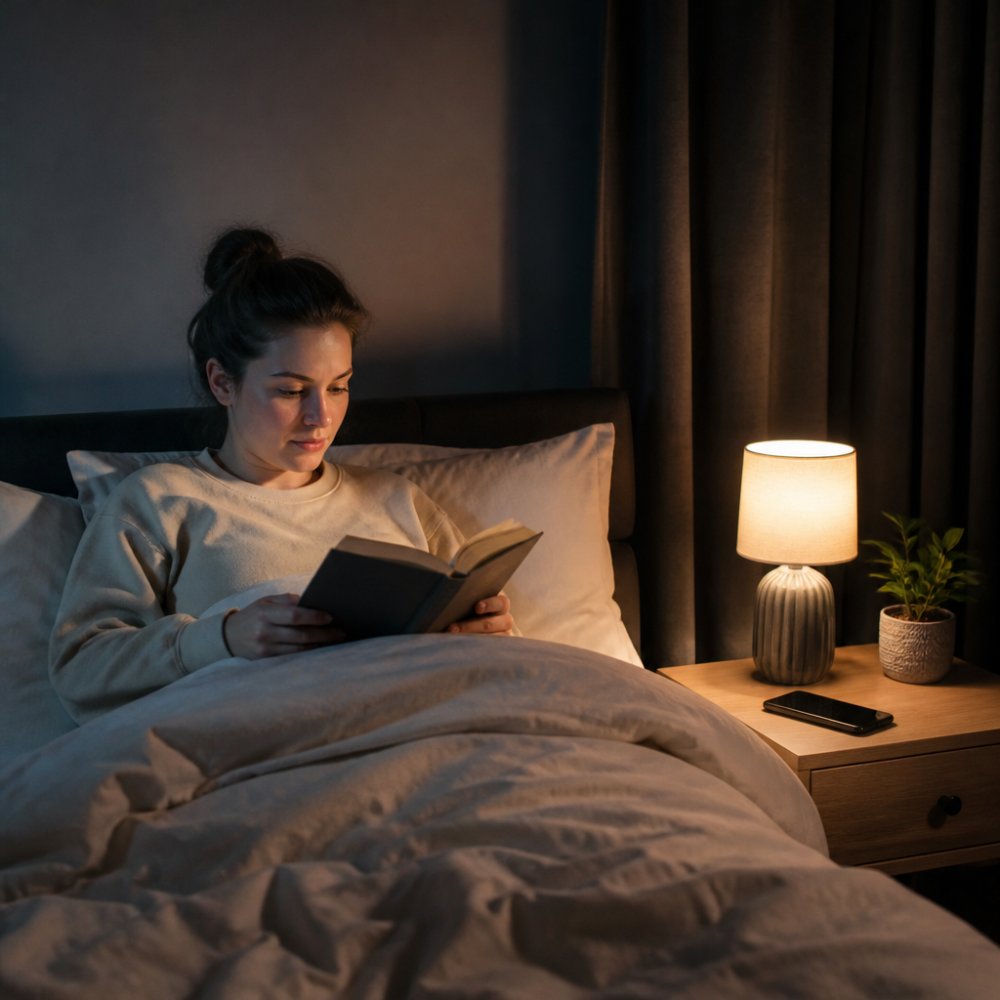
The basics are not glamorous, but they work:
- Keep the same wake time every day, even weekends
- Get bright light within an hour of waking
- Cut caffeine after early afternoon
- Keep the bedroom cool, dark, and quiet
- Put screens away 30 to 60 minutes before bed
The CDC guidance on sleep and sleep disorders notes that consistent sleep and wake times are among the most effective habits for better rest.
Here's the honest part. Sleep hygiene is boring advice, and that's why people skip it. But it's the floor everything else stands on.
Signs You're Relying on a Sleep Aid
Reliance shows up in small ways before it becomes a problem. The trick is catching it early.
Watch for these signs:
- You feel anxious if you travel without it
- You've raised the dose without telling anyone
- Sleep got worse, but you kept using it anyway
- You can't remember your last aid-free night
- You hide your use from family or your doctor
One of these alone isn't a crisis. Several together is a pattern worth addressing.
When to Talk to a Doctor About Sleep Aid Use
Talk to a doctor if sleep problems last more than three months, if you rely on an aid most nights, or if you have other health conditions.
Chronic insomnia can have causes that no supplement addresses. Thyroid issues, sleep apnea, anxiety, and medication side effects all show up as poor sleep. A doctor can rule these out.
Bring specifics to the visit. Note your dose, timing, how long you've used it, and what happens when you skip. That detail speeds up the whole process.
If you're a frequent traveler, jet lag can mimic insomnia. For those cases, our focus at Reset Jet Lag is helping the body adjust to new time zones with a non-habit-forming day-and-night patch protocol. It delivers plant-based ingredients and vitamins through the skin, with no pills and no caffeine, so you're not adding another nightly habit to manage.
Frequently Asked Questions
Can natural sleep aids cause dependency?
Some can, depending on the ingredient and how long you take it. Melatonin is generally considered low-risk for physical dependence, but psychological reliance can develop when you feel you cannot sleep without it. Herbal options like valerian root carry a small risk of dependence with long-term nightly use. The key factor is duration and frequency: occasional use for travel or short-term disruptions carries far less risk than nightly use for months.
Is melatonin addictive or habit-forming?
Research does not classify melatonin as addictive in the way prescription sleep medications are. It does not produce cravings or withdrawal symptoms typical of dependence. However, some users report that melatonin becomes less effective over time, which can lead to dose increases. If you find yourself needing more to get the same result, that is a signal to reassess your routine rather than escalate your dose. Talk to your doctor if this pattern continues.
What are the risks of taking natural sleep aids every night?
Nightly use over months can mask an underlying sleep problem instead of solving it. Common side effects of natural sleep aids include next-day grogginess, vivid dreams, and headaches, especially with melatonin. Herbal aids like valerian root may interact with sedatives or antidepressants. Using a sleep aid every night also makes it harder to tell whether your sleep has actually improved or whether the supplement is simply propping it up.
How can you tell if you are relying on a sleep aid?
Watch for these signs: you feel anxious if you travel without it, you need a higher dose than when you started, you cannot fall asleep without it even when you are tired, or you have tried to stop and your sleep got worse for more than a few nights. Any of these suggests psychological or physical reliance. A two-week break can help you gauge whether your sleep holds up without the aid.
Sleep aids are not the enemy, but leaning on them without a plan is how habits form. Reset Jet Lag offers a non-habit-forming transdermal patch system with a day-and-night protocol, plant-based ingredients, and no pills or caffeine, so you can manage travel fatigue without adding a dependency to your routine. Get started with Reset Jet Lag and keep your energy and focus on arrival.